



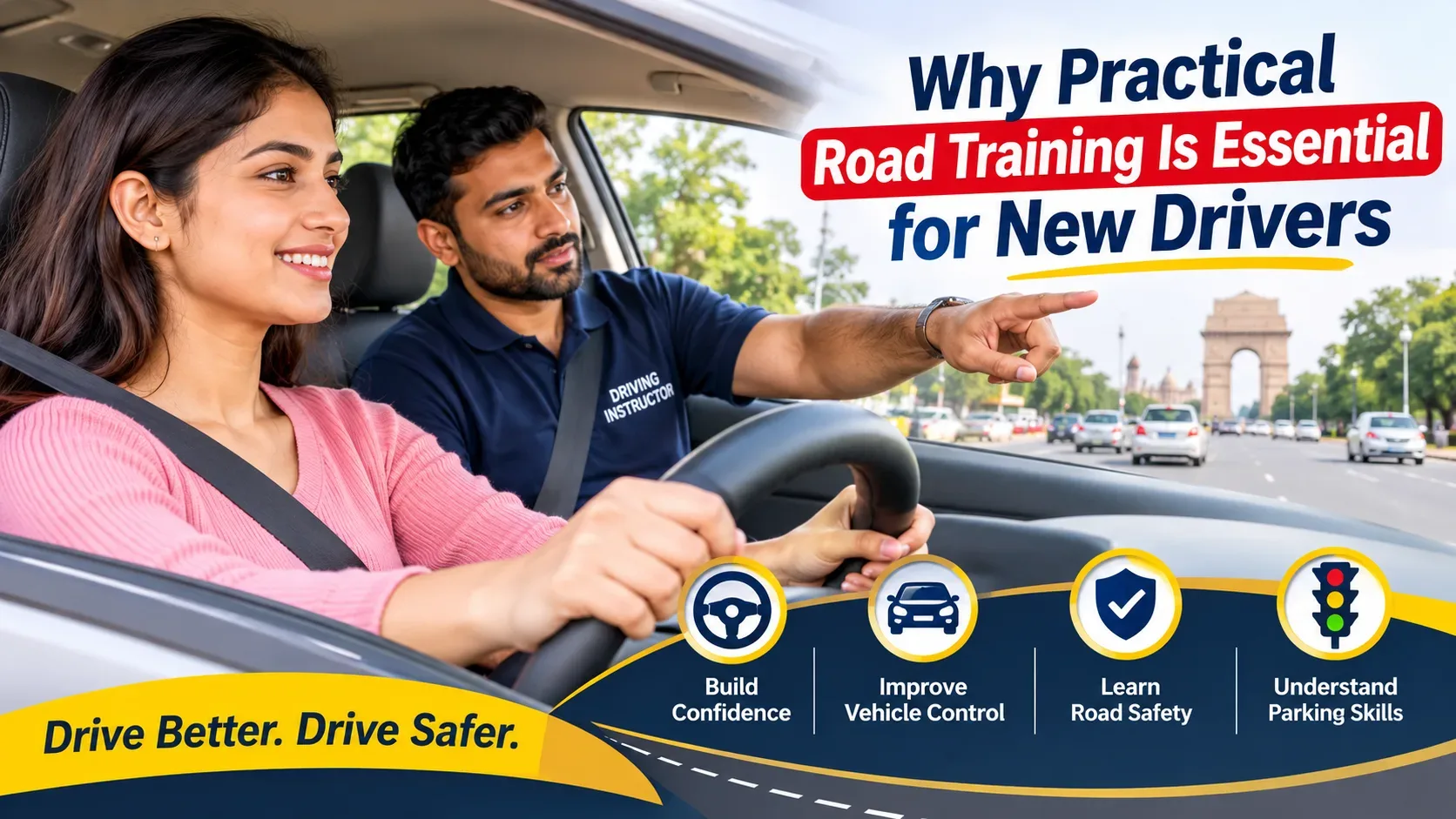
Learning to drive is more than learning how to use a vehicle. It includes being able to identify road conditions, making fast choices, following traffic laws and having confidence while behind the wheel. Learning the basic components of driving may be essential, but practical road training will allow you to make your knowledge of driving into actual driving abilities.
For many people, the idea of driving a car on public streets for the first time may seem intimidating. There are several things that will need your focus when you drive, such as traffic, pedestrians, stop signs, and other cars’ movements. Therefore, if you decide to take professional driving lessons from an experienced instructor, it will help you feel more confident about being able to successfully operate a vehicle.
Understanding Real-World Driving Conditions
Reading about road regulations and/or viewing videos about driving can provide you with some knowledge of the fundamentals, however there are vast differences between learning from these sources and experiencing the world’s roadways first-hand. Real-world practice on the roadway provides new drivers with the opportunity to experience typical daily traffic conditions and learn appropriate responses to ensure safety.
The purpose of learning to drive a vehicle is so that you are able to travel safely and efficiently. There are many aspects of driving that need to be learned. These include learning how to deal with different types of roads, learning how to safely cross an intersection, learning how to maintain the proper distance between your vehicle and other vehicles, and learning how to safely pass through heavily populated areas. Learning all of these things is particularly important when you live in a large city such as Delhi. Traffic conditions in a large city such as Delhi tend to change very rapidly. Therefore, if you do not have knowledge of how to respond appropriately to changing traffic conditions, then you will likely encounter serious problems while attempting to arrive at your destination.
Building Confidence Behind the Wheel
During your initial driving lessons, feeling anxious or uneasy is very common. Many new drivers are worried about being able to control the car, change gear, turn corners and drive near other cars.
Regular hands-on driving instruction is a great way for novice drivers to lessen their anxiety. Under the tutelage of a seasoned driving professional, the student can take their time practicing, building confidence and refining their driving skills.
A structured driving program will allow novice drivers to get used to various driving conditions and help make them feel more comfortable and confident when they are behind the wheel.
Learning Proper Vehicle Control
A vital skill that all novice drivers must learn is good control over their vehicles. Learning to use the steering wheel, gas pedal, brakes and clutch together through practical driving experience will help a student understand how to operate them as a unit.
Beginners will gain proficiency with starting and stopping safely, controlling vehicle speed, changing gears properly, taking turns correctly, and maintaining appropriate lane placement through consistent practice. These fundamental abilities are necessary for individuals who are either beginning to drive a manual-transmission vehicle or an automatic-transmission vehicle.
Understanding Traffic Rules and Road Safety
Understanding traffic laws is essential, however understanding how to use those laws correctly when operating a vehicle comes through on-the-road experience. For new drivers, it’s necessary for them to know how to apply what they have learned about traffic lights, road signs, lane markings and pedestrian crossings in real world situations.
Professional driving classes help students build their ability to identify and assess risk on the road, as well as understand why they need to practice “defensive” driving. In addition, professional driving classes teach students how to keep a safe distance from other vehicles, use their rearview mirror, signal with their turn signals, and stay focused on all types of people who are traveling on the same roads.
In addition to helping new drivers learn how to be responsible behind the wheel and develop the ability to make good choices while driving every day.
Improving Parking and Reversing Skills
For many first time drivers parking and reversing can be challenging as both require the driver to correctly position their car, and to have a good understanding of what is going on around them.
The practical driving lessons provide new drivers with the opportunity to develop their skills while under the supervision of a qualified driving instructor. Through the process of practicing these basic driving techniques, such as using mirrors, controlling the vehicle at lower speeds, reversing safely, and parking in various types of parking spaces, new drivers will gain confidence in their abilities to drive.
The more times you do this, the simpler it will be for you to handle your vehicle and you will feel more at ease with doing so.
Why Choose Professional Road Training in Delhi?
The learning process of driving in Delhi will require a beginner to have a clear understanding of what it is like to drive on extremely busy roads, through heavily congested intersections, with ever-changing road conditions, and around various types of vehicles. When a beginner has chosen a trustworthy driving school in Delhi, they will receive practical experience and professional assistance to guide them along the way.
Road Driving School gives a chance to learn professional car driving courses and some basic driving techniques. Practicing on-road will give you more confidence, awareness and accountability when driving a vehicle. If you are a new driver or you simply want to improve on what you have already learned,
Learning to Drive Yourself
The ultimate goal of practical driver education is to prepare novice drivers to develop the confidence to operate motor vehicles themselves in the normal everyday driving environment. With regular practice, appropriate education and a good knowledge base on road safety, beginner drivers will be able to continue to improve their driving skills.
A professional driving program will give a student the basic knowledge they need to learn about real driving environments and to establish safe driving patterns for the rest of their life.